One challenge that many early childhood educational settings have is fully supporting students who have physical, emotional, intellectual, and/or behavioral differences. Most early childhood training programs do not provide enough training, mentorship, or on-site support in these areas, which leads educators to feel lost, unsuccessful, and burnt out. This, of course, is not true for all programs, but many struggle with this universal dilemma.
My work is to help understand specific schools or classrooms and their particular needs in order to create and implement systems and processes that may better promote understanding of the child, connection with families and therapists, and successful outcomes through individualized workshops and one-on-one coaching. This process is not perfect because it requires work from all parties involved, which often starts with reframing the adults’ perspectives and reflecting on the experience of the child and family with deep empathy. This is not easy work, but can lead to a much more positive experience for all stakeholders.
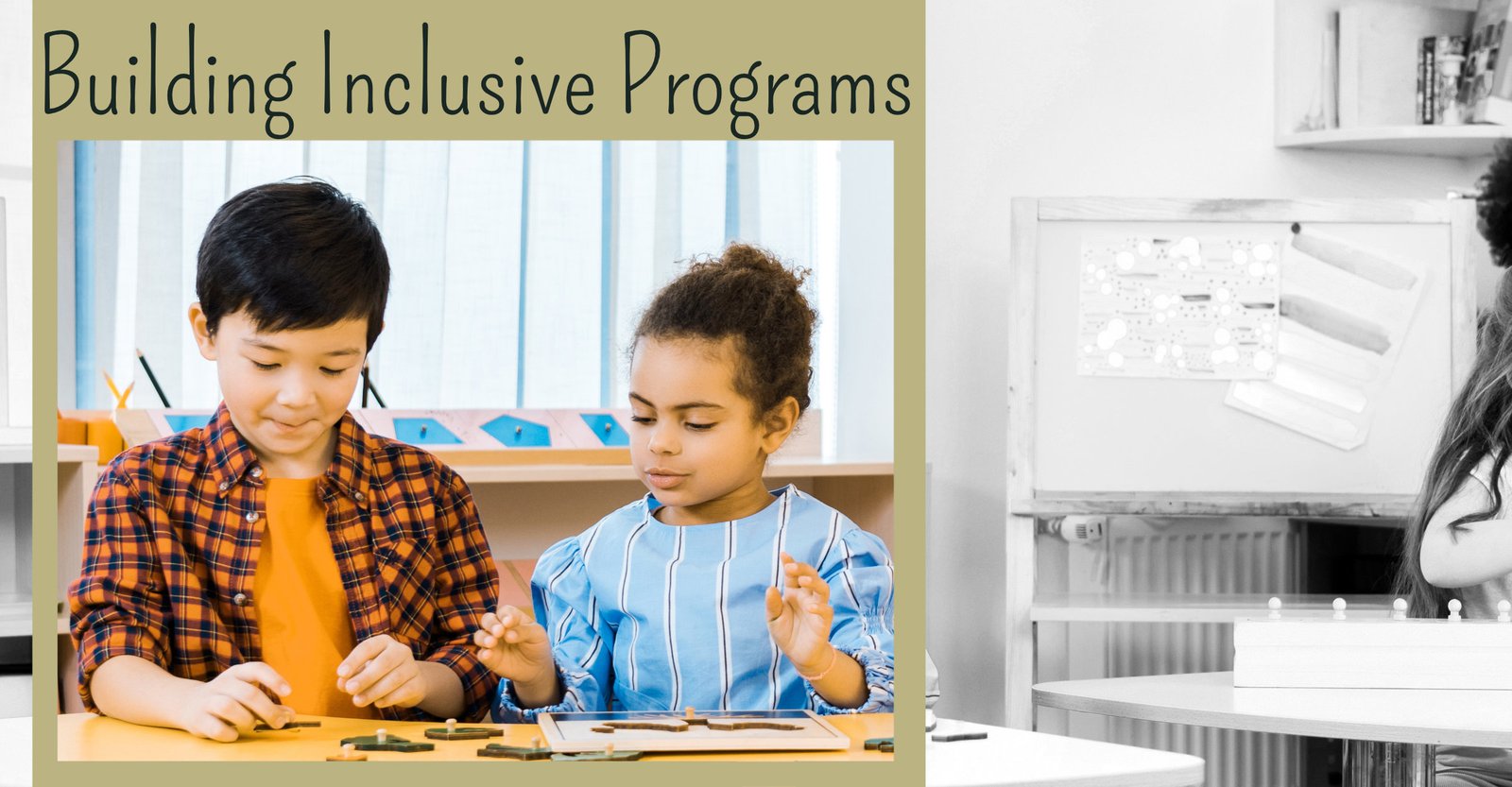
Research shows that all children benefit from inclusive environments and the aim is to create spaces where all of the students feel, not only included, but a sense of belonging and purpose in their school.